1. Department Overview: The Vision
The Fashion Design Department at Rongo University is a hub of creative engineering and cultural storytelling. We bridge the gap between traditional Kenyan craftsmanship and modern global aesthetics. Our mission is to transform students from casual illustrators into technical experts who understand the anatomy of a garment and the heartbeat of the industry.
2. Core Academic Categories
A. Creative Design & Conceptualization
This is the "soul" of the department. Students learn to translate abstract inspiration—from nature, architecture, or heritage—into cohesive collections.
- Focus: Mood board development, fashion illustration (manual and digital), color theory, and trend forecasting.
- Outcome: A unique designer "DNA" and a professional portfolio.
B. Pattern Engineering & Garment Construction
We treat fashion as a science. This category focuses on the structural integrity of clothing.
- Focus: Flat pattern drafting, 3D draping on dress forms, industrial sewing techniques, and bespoke tailoring.
- Outcome: Mastery of fit, silhouette, and high-end finishing.
C. Textile Science & Material Innovation
Understanding the "DNA" of the fabric. Students explore the relationship between raw fibers and the final drape of a garment.
- Focus: Fabric properties, dyeing and printing (Batik/Screen printing), embroidery, and sustainable textile development.
- Outcome: Ability to manipulate surfaces to create custom, one-of-a-kind materials.
D. Fashion Business & Global Marketing
Creativity meets commerce. We prepare students for the realities of the multibillion-dollar fashion economy.
- Focus: Fashion entrepreneurship, retail management, e-commerce, and visual merchandising.
- Outcome: "Design-preneurs" capable of launching independent labels or managing international brands.
3. Learning Environment & Facilities
- The Design Studio: A high-energy space equipped with industrial lockstitch machines, overlockers, and professional cutting tables.
- Digital Lab: Specialized workstations featuring Adobe Creative Suite (Illustrator/Photoshop) and CAD software for digital pattern making.
- Textile Lab: A dedicated space for experimenting with fabric dyes, traditional weaving, and surface ornamentation.
4. Future Career Paths
Graduates from our department don’t just become "tailors"; they enter the industry as:
- Creative Directors for major fashion houses.
- Technical Designers & Pattern Masters.
- Fashion Stylists for media and photography.
- Quality Assurance Managers in garment export processing zones (EPZs).
- Sustainable Fashion Consultants.
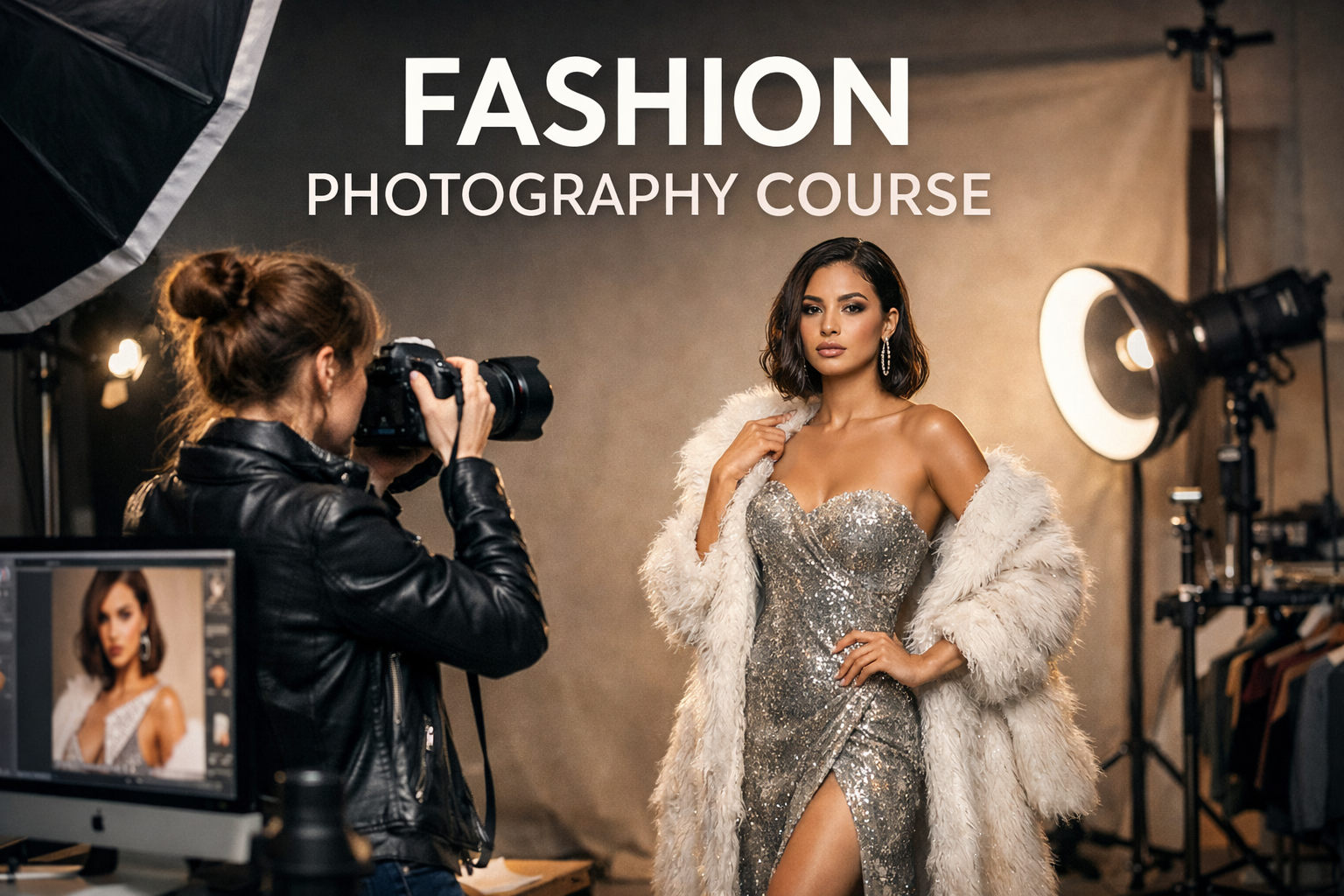
Welcome to fashion photography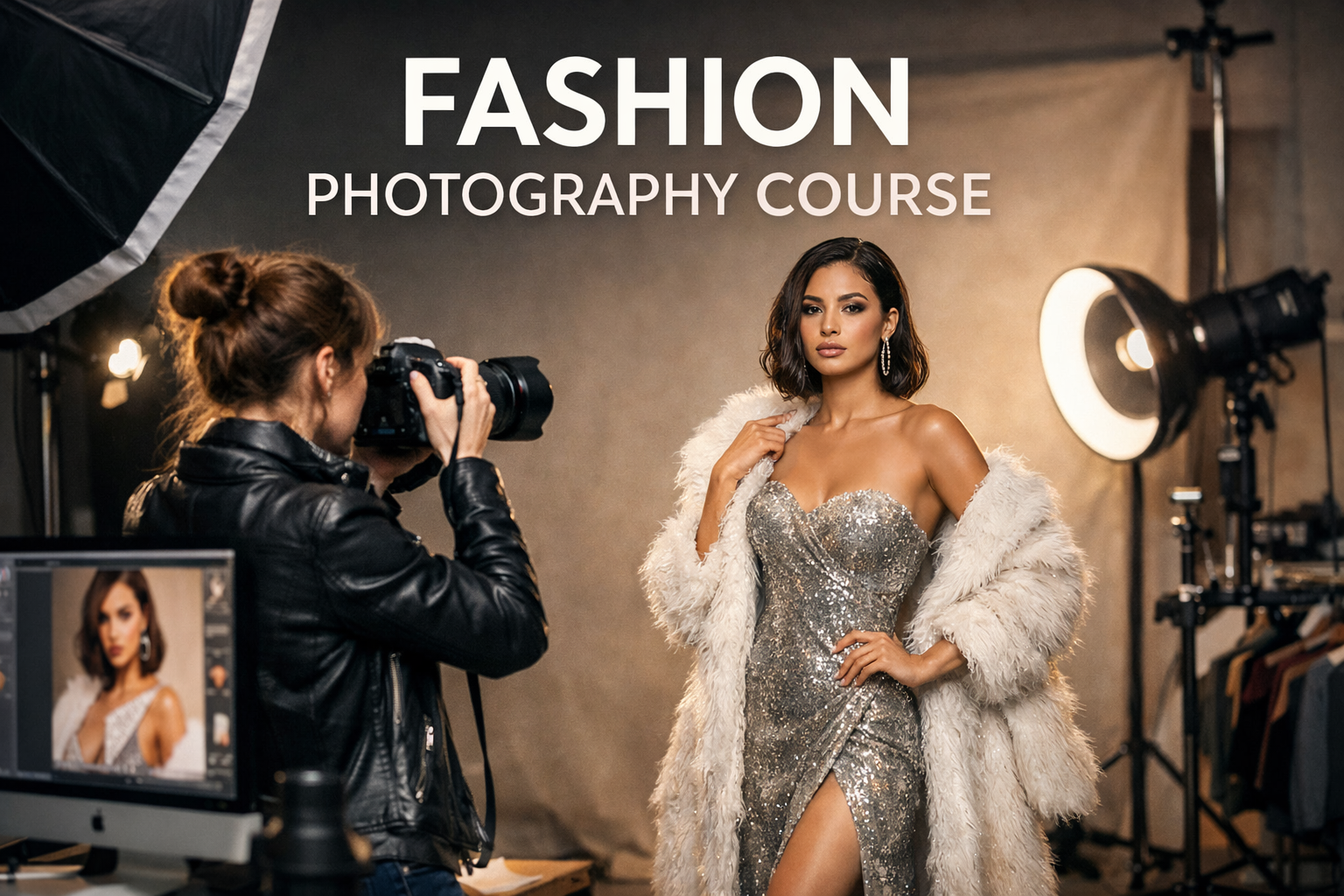
Core Course Summary
The course provides a comprehensive journey from understanding the camera as a tool to mastering the "Art of the Image." Students don't just learn how to take a photo; they learn how to construct a narrative that elevates clothing into art. The curriculum focuses on the synergy between the photographer, the model, and the garment, ensuring every shot communicates a specific brand mood or editorial story.
Key Learning Pillars
Technical Mastery: Extensive training in manual camera controls (ISO, Aperture, Shutter Speed), lens optics, and the physics of light.
Studio & Location Production: Hands-on experience with professional strobe lighting, continuous lights, and natural light manipulation in diverse environments.
The Creative Process: Developing mood boards, scouting locations, and collaborating with stylists and makeup artists (MUAs) to bring a concept to life.
Model Direction: Learning the psychology of the shoot—how to communicate effectively with models to capture movement, emotion, and the "perfect pose."
Post-Production: High-end digital retouching techniques using Adobe Lightroom and Photoshop, focusing on color grading and skin frequency separation.
Professional Portfolio: Building a curated body of work that meets international industry standards for commercial, runway, and editorial markets.
Why This Course Matters
In the digital age, fashion is driven by visuals. This course empowers designers and photographers at Rongo University to bridge the gap between manufacturing and marketing. Graduates leave with the ability to navigate the business side of photography, including copyrighting, client contracts, and digital marketing within the African and global fashion ecosystems.
- Teacher: Odel Trainer
- Teacher: Admin User